
The landscape of patent litigation in the People’s Republic of China has continued to evolve rapidly. The recent statistical data paints a picture of a robust and highly efficient patent protection regime in China – evidenced by the continued growth in patent applications, first-instance infringement cases and invalidation actions. Meanwhile, this surge in initial activity has been accompanied by the edging up of patent invalidation rates and sharply declining reversal and remand rates at the appellate level for patent invalidation cases.
In contrast, technical secrets litigation, which is an equally important route to protect technical innovation, has witnessed a clear trend in favour of right holders. The success rate for establishing infringement, as well as the amount of damages awarded to right holders at the appellate level, has markedly increased.
Legal framework of China’s patent litigation
China’s patent litigation is governed by a bifurcated system, with administrative proceedings over the validity of a patent and civil proceedings over patent infringement falling under the jurisdiction of different courts at the first instance.
A patent infringement action is initially filed with a specialised IP court or the IP division of an Intermediate People’s Court, depending on where the case is filed. Appeals of patent infringement cases are centralised and solely handled by the Supreme People’s Court IP Division Court (“SPC IP Division”). Under the Chinese practice, patent infringement actions are civil litigation cases and patent infringers cannot be held criminally liable in China.
A patent invalidation action is often a counteraction taken by the defendants in a patent infringement lawsuit, but courts cannot directly review the validity of a patent. The legal action against the validity of a patent has to be initially filed with the China National Intellectual Property Administration (CNIPA). The CNIPA’s decision may then be appealed to the Beijing IP Court, with a further appeal to the SPC IP Division. Litigation against the CNIPA’s decisions (invalidation and re-examination) is referred to as administrative litigation.
Key trends for patent litigation
Over the past decade, China has completed its transformation into a global intellectual property powerhouse. Fuelled by nationwide pro-IP policies and initiatives emphasising innovation-driven growth, the volume of IP activity in China has reached unprecedented levels. By 2024, the number of invention patents in force in China had reached 4 million, setting a new world record.
China has also launched a series of strategic directives aiming at fostering high-quality IP development. This includes the introduction of the “good faith” principle in the revised Implementing Regulations of the Patent Law effective from January 2024, providing a legal basis for rejecting or invalidating “abnormal” or “junk” patents. China has also eliminated government subsidies for patents, to ensure application of patents is driven by innovation rather than government incentives. Further, the CNIPA has included in the “Annual Work Guidelines (2024) for Promoting High Quality Development of IP” (Guo Zhi Fa Yun Zi [2024] No. 7) the quality of patents as one of the main objectives for the relevant administrative bodies.
For law practitioners and multinational corporations operating in this market, understanding the nuances of litigation trends is crucial for strategic planning. Data from 2019 to 2024 provides critical insights into the trajectory of China’s patent enforcement regime. The statistics reveal a complex dynamic: while the sheer volume of filings and initial disputes continues to climb, the appellate mechanisms are showing signs of increased deference to lower-level decisions. Moreover, an increasing success rate for invalidation actions has been observed.
1. Growing patent applications versus selective patent enforcement
The data indicates that the number of patent applications continued its upward trajectory in 2024, with more than 5.8 million applications (including invention, utility model and design patents) filed in a single year. However, this growth in the patent reservoir has not fuelled downstream enforcement activity. In 2024, 44,255 first-instance civil litigation cases (including invention, utility model and design patents) were filed, 456 fewer than in 2023. This decrease could suggest that low-stakes litigation may be waning and/or that patentees are more cautious in weighing their litigation options.
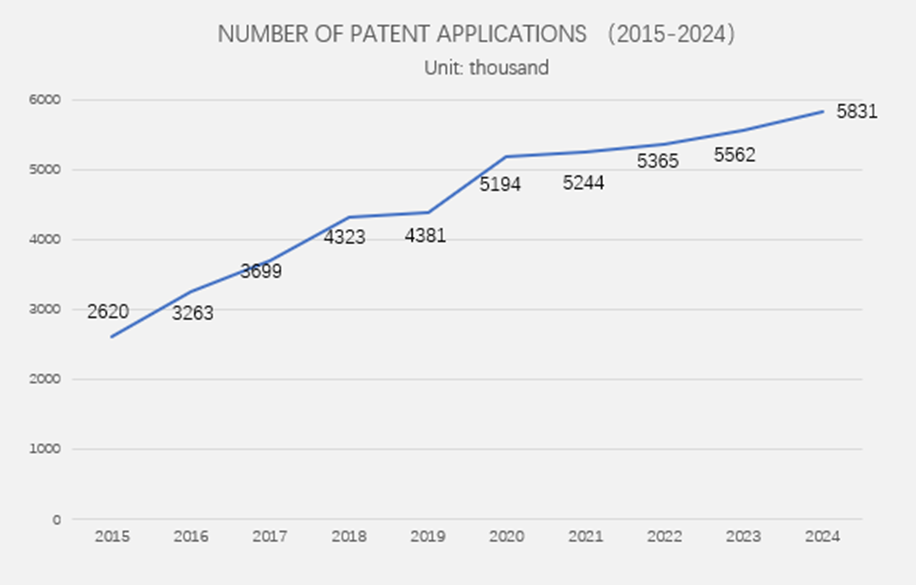
Figure 1
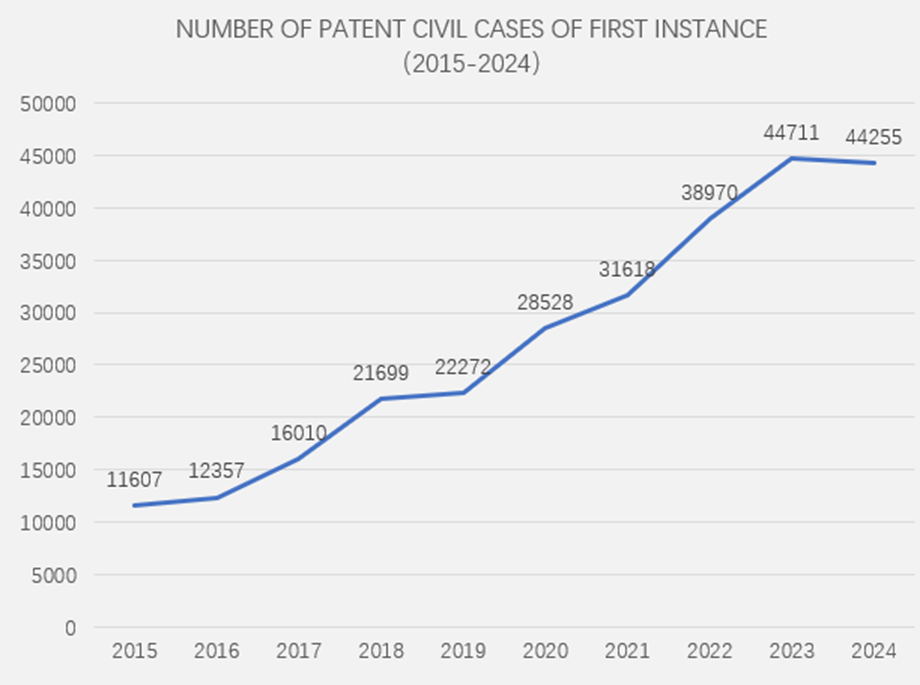
Figure 2
However, the decrease in patent civil litigation cases is not necessarily bad news for patentees. While the number of patent civil litigation cases has tripled over the last decade, the cohort of the judges hearing these patent disputes has not seen a commensurate increase. In courts of major IP hubs, a judge can be assigned an annual caseload of over 200 patent cases and thus struggle to manage the huge docket while meeting various internal deadlines. A lighter caseload means that judges can spend more time on each case to improve the quality of court decisions. This is especially important for patent cases, where the understanding of intricate technical details requires both time and resources allocated by judges.
2. Rising invalidation actions and success rates
As a usual countermeasure in high-stakes cases, the defendants in patent infringement cases will file patent invalidation actions. As such, patent invalidation cases can serve as a reliable barometer of commercially significant patent civil litigation.
Compared with the huge number of patent infringement cases, the number of patent invalidation cases has been much more reasonable. In the last five years, patent invalidation cases (including invention, utility model and design patents) have increased from 6,000 to 9,000, with 2022 an outlier as the number dipped around 7% year on year. In 2024, 9,091 invalidation actions were filed with the CNIPA. Utility model and design patents were the major targets of invalidation actions, respectively accounting for 43% and 37% of all the cases filed. Approximately 20% of invalidation actions (1,837 cases) targeted invention patents, the invalidation of which presumably requires a more significant investment of resources.
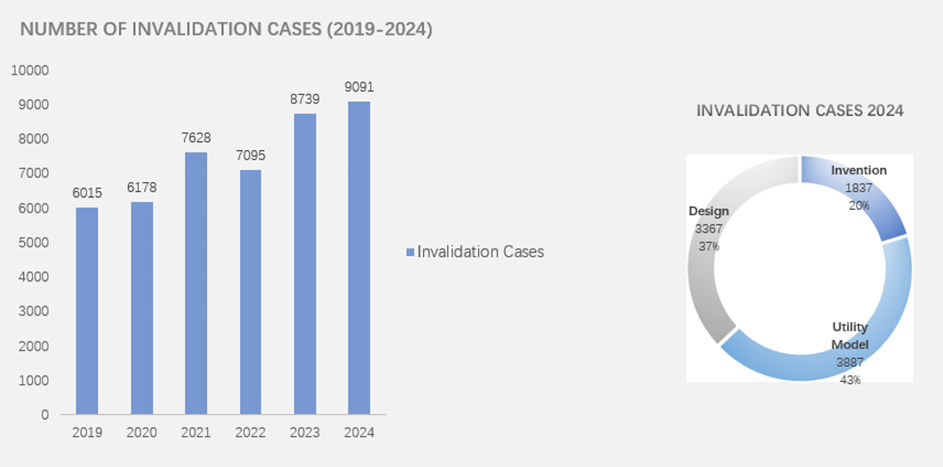
Figure 3
Patentees have observed a disturbing trend, namely, a sustained increase in the success rate of patent invalidation actions from 2022 to 2024 for both invention patents and utility model patents. In 2021, 60.4% of invention patents survived invalidation actions in their entirety. In 2023 and 2024, the figures were 47.79% and 43.27% respectively. Meanwhile, in 2021, only 24.7% invention patents were found invalid in their entirety, but the figures climbed steeply in 2023 and 2024, reaching 39.43% and 42.13% respectively. The same trend was observed for utility models. From 2022 to 2024, the percentage of utility models maintained in their entirety was 39.90%, 32.95% and 28.91% respectively. In contrast, the percentage of utility models invalidated in their entirety was 41.40%, 49.26% and 54.72% respectively. The statistical data suggests that patentees should prioritise quality over quantity, as advocated by China’s various policy directives.
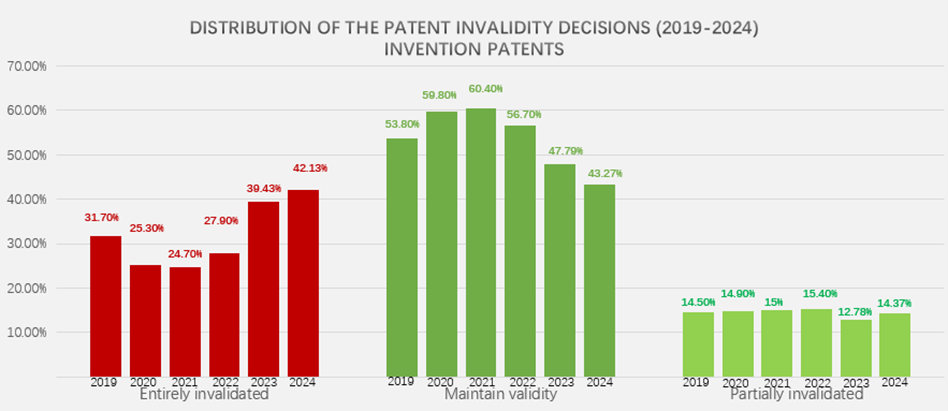
Figure 4
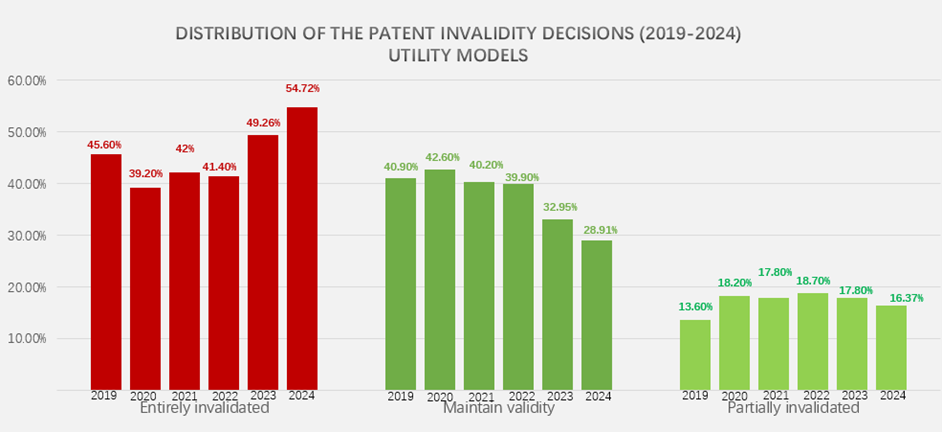
Figure 5
(Data above from 2019 to 2022 comes from official statistics. Data from 2023 to 2024 comes from statistics summarised by commercial databases, as no official statistics were released in those two years.)
3. Lower rate of reversals and remands in 2024
Statistics show that the number of second-instance infringement actions before the SPC IP Division based on invention and utility model patents consistently increased from 2019 to 2023. In 2024, the SPC IP Division designated lower courts to handle the appeals of civil litigation concerning utility models. As such, there are no publicly available statistics on the number of utility model cases that year. However, statistics show that the number of second-instance infringement cases over invention patents grew steadily in 2024. Meanwhile, the number of second-instance administrative cases for invention and utility model patents has been largely growing since 2019, except for a slight dip (14.7%) in 2022.
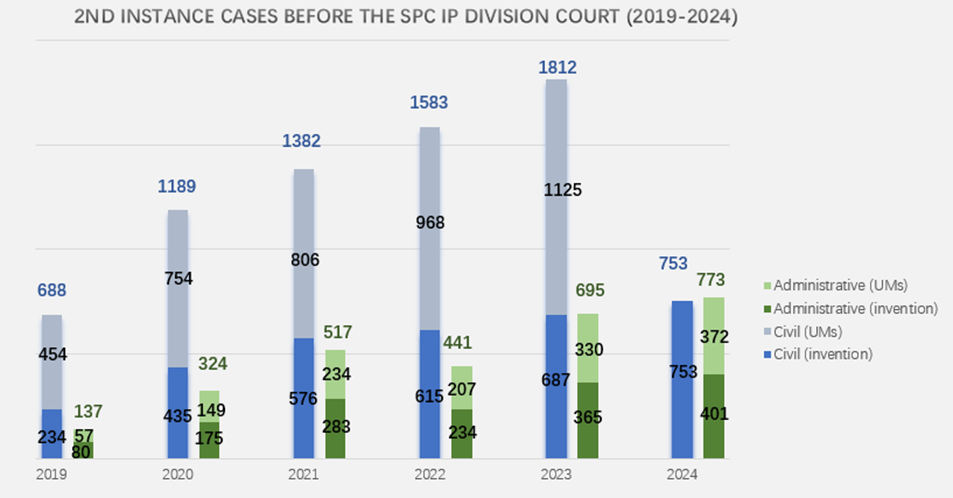
Figure 6 (data from the SPC’s annual reports).
The statistics show that the percentages of second-instance decisions overturned or remanded for retrial for civil and administrative cases had significant differences. For civil cases, the percentage grew up to over 20% in 2023 and 2024. For administrative cases, the percentage was much lower. The percentage was 9.3% in 2023 and 6.8% in 2024. Together with the rising patent invalidation rates in 2023 and 2024, the drop in reversal and remand rates by the SPC IP Division rings alarm bells for patentees. In terms of administrative litigation, such a significant drop signifies a higher degree of judicial deference to the specialised first-instance court (the Beijing IP Court) and, by extension, to the technical expertise of the CNIPA.
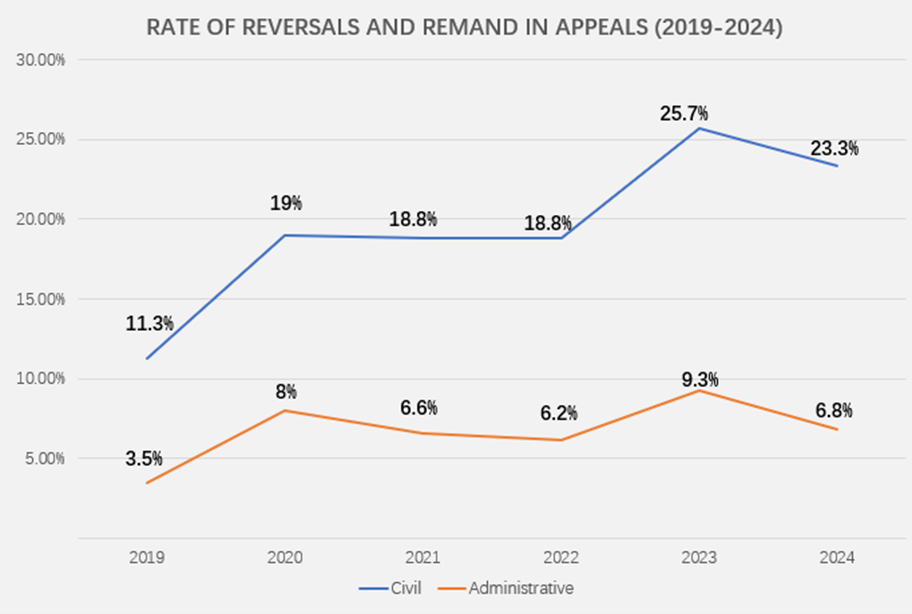
Figure 7 (data from the SPC’s annual reports).
For practitioners, this sends a clear message: the window for correcting errors on appeal regarding patent validity is narrowing. The appellate courts appear increasingly reluctant to challenge the technical findings and legal conclusions of the CNIPA, unless clear, egregious errors are present. This trend raises the stakes significantly for the initial invalidation proceedings and the subsequent first-instance administrative litigation.
Recent judicial trend for technical secret cases
While patent litigation remains a primary focus of China’s IP landscape, the 2024 data for technical secrets infringement cases reveals a startling trend. At the appellate level, the volume of second-instance cases plummeted, while the success rate for those few cases that reached the SPC climbed significantly.
Statistics indicate that the number of second-instance proceedings involving technical secrets saw a 70% decrease from 2023 to 2024. In 2023, the SPC received 113 such cases; by 2024, that number had taken a dive to a mere 34 cases.
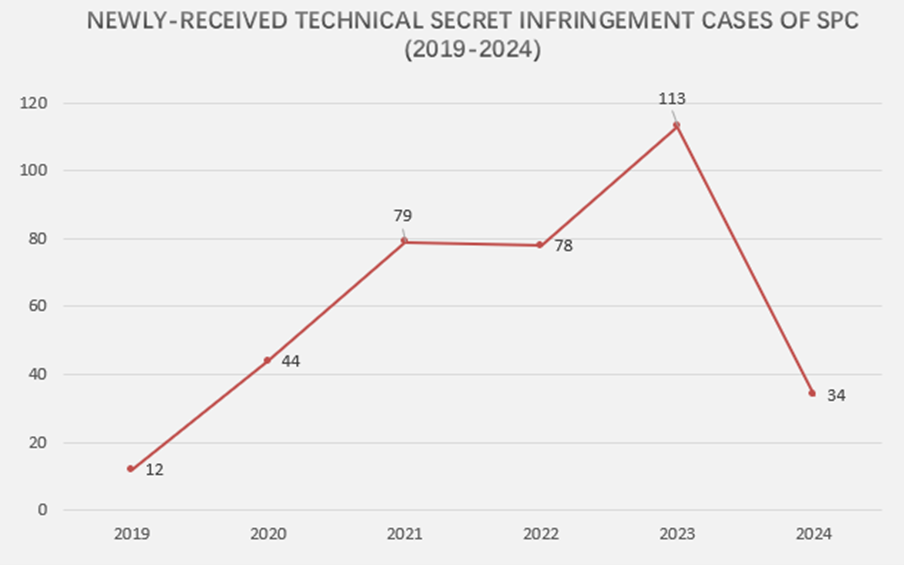
Figure 8 (data from the SPC’s annual reports).
As the volume decreased, the success rate for technical secrets infringement cases surged. Although there are no official statistics, case research based on publicly available official database shows that the percentage of second-instance technical secrets cases finding infringement increased to around 70% over the last couple of years. Given the higher likelihood for the SPC IP Division to find trade secret infringement, the drop in the number of technical secrets cases sends a positive signal to right holders: the court decisions might have been well received by the market and deterred potential infringers.
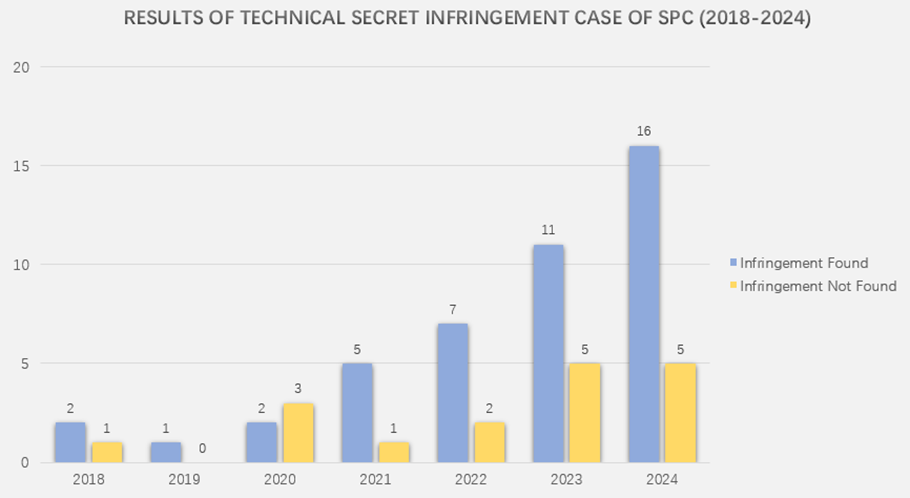
Figure 9 (data from https://wenshu.court.gov.cn/).
For the past few years, the SPC has consistently issued landmark decisions on technical secrets infringement cases, either making ground-breaking findings or awarding high damages. For instance, in a case relating to patent and technical secrets infringement on the production of melamine, the SPC awarded in its decisions (2020) Zui Gao Fa Zhi Min Zhong No. 1559 and (2020) Zui Gao Fa Zhi Min Zhong No. 541, damages of CNY218 million for the Phase I infringing project. The parties to this case eventually settled for a total of CNY658 million, with the compensation relating to the Phase II infringing project included, setting a new record for damages in an IP infringement case.
In another case involving technical secrets infringement and a dispute over the proprietorship in a patent, the technical secret at issue was formed in a foreign jurisdiction but the infringement took place in China. The former employee of the foreign right holder applied for a patent based on the technical secret at issue. In its decision (2023) Zui Gao Fa Zhi Min Zhong No. 2913, the SPC ruled in favour of the foreign right holder and ordered the proprietorship in the patent relating to the technical secret at issue belonged to the foreign right holder.
Conclusion
The Chinese government has been taking multidimensional measures to reshape its IP ecosystem. With the CNIPA increasingly prioritising the quality of new patent applications and scrutinising the validity assessment of the granted patents in invalidation proceedings, the battlefield of patent litigation has quietly shifted.
For multinational corporations, the takeaways are twofold. First, the “mortality rate” of patents – particularly utility models – underlines the necessity of rigorous and tactical drafting. A utility model patent that cannot survive the 54% invalidation threshold is a liability rather than an asset. Second, the 6.8% reversal rate in administrative litigation necessitates a “front-loaded” legal strategy. In the environment of low reversal rate by the SPC, the first-instance trial and the initial CNIPA invalidation proceeding have become the decisive battlegrounds. In this landscape, the likelihood of success is promoted by technical robustness and strategic precision from the outset of a dispute, rather than by the size of a portfolio.